---
title: Golf - Bent Pine Golf
description: A Joe Lee course that has hosted six U.S. Open Qualifiers — with men's and women's golf programs built for members who take the game seriously.
---
[Skip to the main content.](https://bentpinegolf.com/golf#main-content)
[](https://www.bentpinegolf.com/?hsLang=en)
[](https://www.bentpinegolf.com/?hsLang=en)
- [Golf](https://bentpinegolf.com/golf)
- [Social](https://bentpinegolf.com/social)
- [Join](https://bentpinegolf.com/join)
- [Blog](https://bentpinegolf.com/blog)
- About
- [Our Story](https://bentpinegolf.com/our-story)
- [Community](https://bentpinegolf.com/vero-beach)
[Member Login](https://bentpine.clubhouseonline-e3.com/login.aspx)
Toggle Menu
Toggle Menu
[Member Login](https://bentpine.clubhouseonline-e3.com/login.aspx)
- [Golf](https://bentpinegolf.com/golf)
- [Social](https://bentpinegolf.com/social)
- [Join](https://bentpinegolf.com/join)
- [Blog](https://bentpinegolf.com/blog)
- About
- [Our Story](https://bentpinegolf.com/our-story)
- [Community](https://bentpinegolf.com/vero-beach)
- [Employment](https://bentpinegolf.com/employment)
[Facebook](https://www.facebook.com/bentpinegc/) [Instagram](https://www.instagram.com/bentpinegolfclubvb/)
# Play a Course That Earns Its Reputation
[Get the Membership Guide →](https://cta-service-cms2.hubspot.com/web-interactives/public/v1/track/click?encryptedPayload=AVxigLLa0%2BAoSVpxhmgmVgxlvK%2Fav3Ai2LFtiy3jhsRJh1WPjF%2FZYkEhIByOz36lreNLWMGfgXy8%2FrnyKu0V4FbxKmpCNCGDPBe6Y2JPPKpD1Wt4n24qPii3Sha%2FJhqsiXjp5lZ4gYbZa3hH59GXevF46vhOmqaOovpWR1mEUCVuiCX6TPSscj%2FHanP1JZfJ23SNOZQ%3D&portalId=50525353)
## Make the Course Your Own
Built on a sandridge formed over millions of years, the course plays 7,008 yards from the tips (known affectionately to Members as the Kenny Perry Tees). Tif-Eagle greens run 11 to 12 on the Stimpmeter. With 10 possible teeing grounds for men and nine for women, the course adjusts to where your game is—the front tees challenge a beginner the same way the back tees challenge an accomplished player.
The course never gets boring, the shot-making demands change by hole, and the wind off the Indian River Lagoon, North America’s most diverse estuary, varies by the hour. Golfers who have been here for years are still working out the same challenges, and they are happy to accept them.

## As you move down the fairway, you quickly realize that each hole at Bent Pine is framed without sightlines from other holes. Often you won't see other golfers and think you have the whole course to yourself.
## Men's and Women's Golf Programs
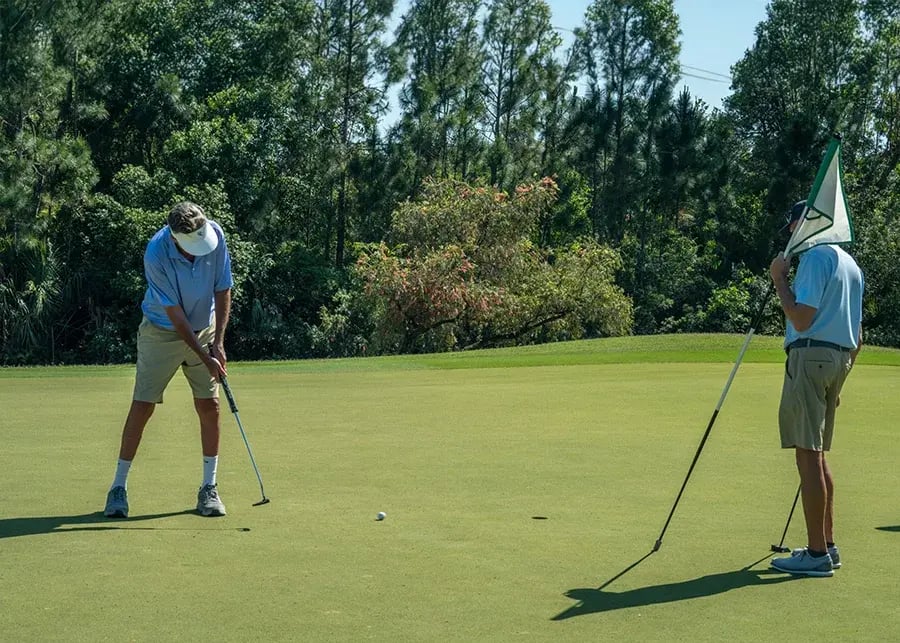
### The Men's Game, Week to Week
Men's games run Monday, Wednesday, and Friday of every week. Players are grouped by handicap flight, so the competition is meaningful at every level. Member-Member and Member-Guest tournaments fill out the calendar through the season. The course setup changes for competition days—different pin positions, different challenges—which is part of why members say the course never gets old.
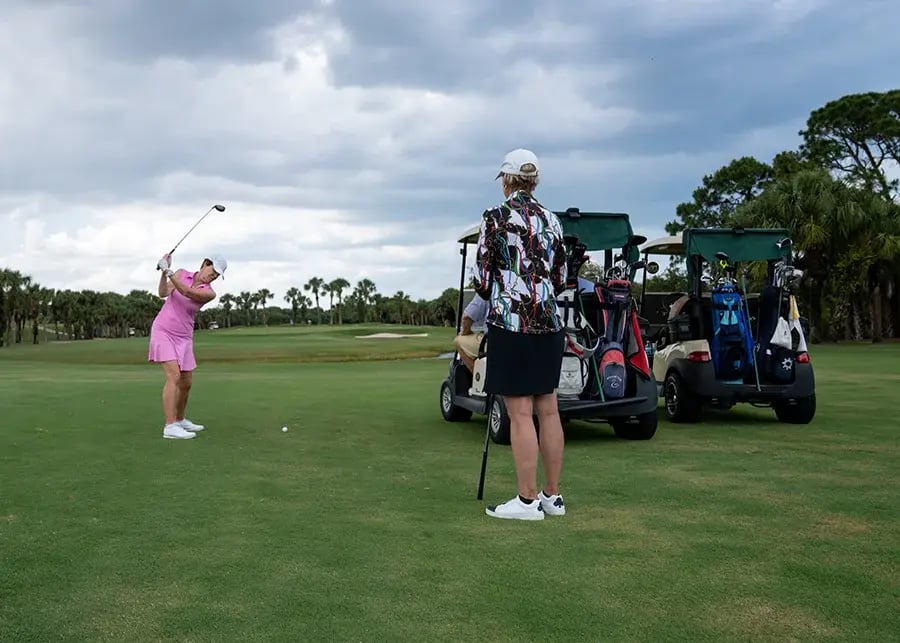
### The Women's Game, Week to Week
The Ladies 18 Holers play on Thursday, and 9 Holers on Tuesday. They both have exciting “themed” Member-Guests. The women's club championship runs multiple rounds with a match play format. The Ladies Tees include more challenging Red Tees (5,281 yards) and more accessible Silver Tees (4,998 yards).
## Grow Your Game at Any Age
Eddie Suchora, David Glenz, and Wendy Ferrara each bring a different depth of experience to the lesson tee—and between the three of them, there's very little they haven't seen.
### EDDIE SUCHORA — Director of Golf
A PGA professional since 1995, Eddie spent 17 years as Head Golf Professional at the Park Country Club of Buffalo before coming to Vero Beach. He's a past winner of the Western New York Open and a four-time qualifier for the National Club Professional Championship. Beyond his own competitive record, Eddie runs the day-to-day golf operation at Bent Pine — coordinating programming for both the men's and women's groups and setting the standards for how the course plays each week.
### DAVID GLENZ — Director of Instruction
David's teaching record is straightforward: six years on the PGA Tour, four New Jersey State Open titles, a New York State Open, Golf Digest Top 50 recognition, and the PGA of America's National Teacher of the Year award. He has seen golf problems at every level, which is what makes him useful to a 12-handicapper who has been working around the same miss for two years. His approach is analytical and direct — he finds what's actually happening in your swing, not what's easiest to fix.
### WENDY FERRARA — Director of Instruction
[Wendy touts twenty-five years of teaching](https://bentpinegolf.com/blog/on-the-range-with-wendy-ferrara-lpga-class-a-teaching-professional?hsLang=en) combined with training in sports and orthopedic rehabilitation. This means she understands why a shoulder surgery changes a swing, why a hip replacement shifts weight transfer, and how to work with a body that has a history. She teaches at the David Glenz Golf Academy in New Jersey and brings that same specificity to her seasonal work at Bent Pine. If your game has been shaped by something physical that most instructors don't account for, she will.
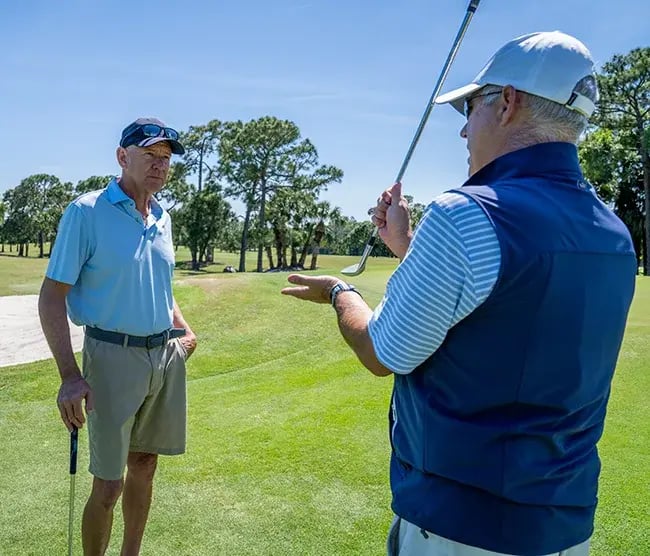

## Where Directors of Golf Got Their Start
Kenny Perry worked at Bent Pine in the 1980s while building toward a PGA Tour career that ran for more than 30 years. Many former Bent Pine staff members went on to become Directors of Golf or Head Golf Professionals at clubs across the country.
Todd Anderson, Eric Johnson, and Joe Plecker began their teaching careers at Bent Pine. The course didn't produce this record by being easy to work at. It produced it by being worth the work.

"Bent Pine is my favorite golf course because it is so much more than a golf course, it is an experience. It's a formidable course and offers excellent opportunities to become a better player."
–Kenny Perry, Honorary Member
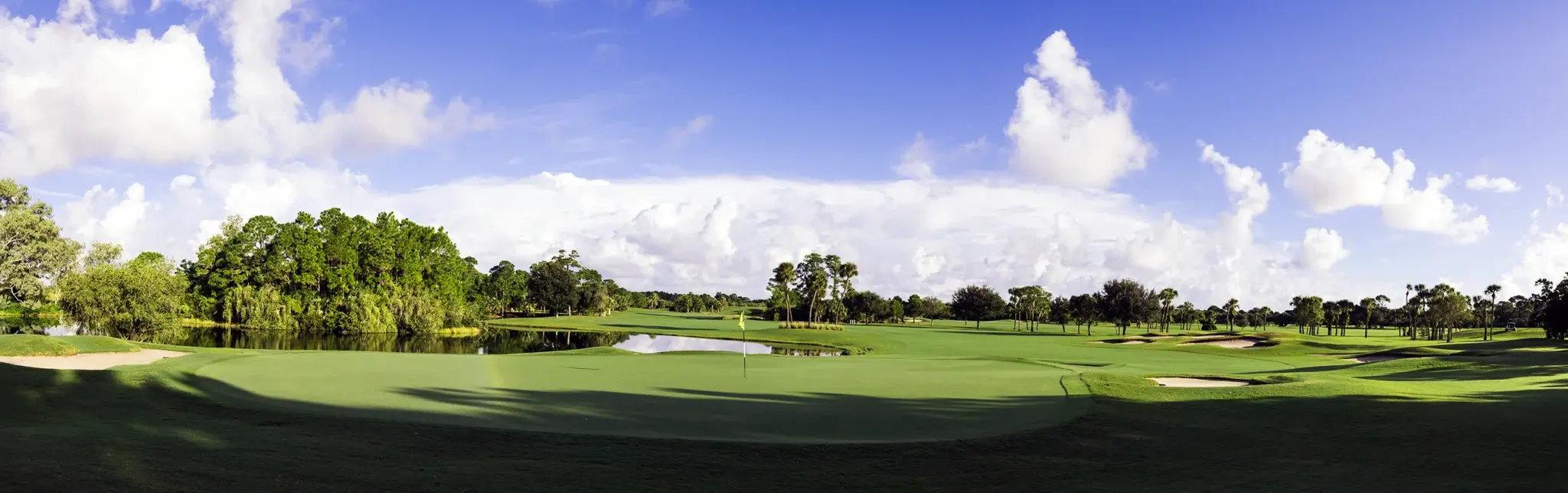
### The best way to understand what this course asks of you is hole by hole.
## Hole 1

---
| Par | Yards |
| --- | --- |
| 5 | 566 |
| 5 | 510 |
| 5 | 492 |
| 5 | 414 |
| 5 | 409 |
| 5 | 409 |
---
On the starting hole at Bent Pine, course architect Joe Lee masterfully gives golfers an opportunity to ease into the round that is a relatively open par 5. Favor the right side of the fairway with your tee shot to set up your second shot. Water down the right side of the fairway will attract wayward balls so stay left, avoid the water, and give yourself the best angle for the third shot. Even though it is a large green, the slope from back to front protects the green. Big hitters will have an opportunity to reach this green in two shots.
## Hole 2
---
| Par | Yards |
| --- | --- |
| 4 | 427 |
| 4 | 376 |
| 4 | 362 |
| 4 | 287 |
| 4 | 282 |
| 4 | 282 |
---
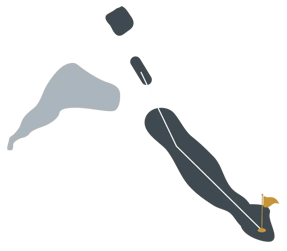
As you turn the corner to hole 2 you most likely will feel the prevailing southeast wind in your face. The generous driving area on this straightaway par 4 is flanked by fairway bunkers right and left. Bunkers front left and to the right of the green challenge you to fly the green. The elevated green is divided into two sections with a ridge in the middle that makes putting on this hole deceptively difficult. As you move down the fairway and approach the green you look around and quickly realize that each hole is framed at Bent Pine without sightlines from other holes. Often you won’t see other golfers and think you have the whole course to yourself.
## Hole 3
---
| Par | Yards |
| --- | --- |
| 3 | 188 |
| 3 | 172 |
| 3 | 157 |
| 3 | 157 |
| 3 | 115 |
| 3 | 115 |
---
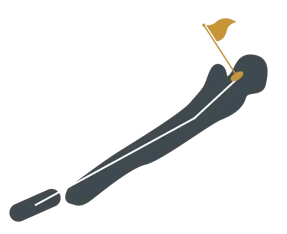
As you stand on the third tee, a beautiful par three, you begin to realize that Joe Lee is a master at protecting his greens from wayward shots. The bunkers front left and to the right demand a carefully placed shot to the green or you’ll be one putting for a par. Any shots to the right in front of the green leave a difficult to pitch if the pin is on the left side of the green. The raised green is slanted from back to front and features a subtle left to right slope in the front that makes holding the green a challenge. One of the hallmarks of Bent Pine is the Tif-Eagle greens which typically run 11 to 12 on the stimpmeter and are in impeccable shape.
## Hole 4
---
| Par | Yards |
| --- | --- |
| 5 | 602 |
| 5 | 555 |
| 5 | 520 |
| 5 | 450 |
| 5 | 448 |
| 5 | 400 |
---
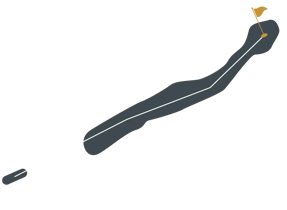
Challenging for all levels of play, Hole 4 is the #1 ranked handicap hole for good reason: it’s a dogleg left long par five that ends with a raised green which is protected by a frontside bunker and a bunker to the right. The driving area appears wide open, except for the two palm trees on the left of the fairway. They require a well placed tee shot to the right side of the fairway while avoiding the bunkers just off the right fairway Your second shot threads between trees on the left and bunkers on the right as the fairway begins its dogleg left. The front greenside bunker demands that you hit a lofted approach shot to get on the green. The challenge continues as the green slopes back to front with several subtle breaks. This #1 ranked handicap hole is challenging for all levels of play.
## Hole 5

---
| Par | Yards |
| --- | --- |
| 3 | 201 |
| 3 | 171 |
| 3 | 163 |
| 3 | 130 |
| 3 | 113 |
| 3 | 90 |
---
As you climb the hill to the Kenny Perry, blue, and white teeing ground of Hole 5, your anticipation grows. A spectacular downhill shot over water greets golfers on this beautiful par 3. Very few holes in South Florida boast this degree of elevation change. You quickly realize that water protects in front of the hole as well as to the left forcing you to go straight for the pin or to bailout right of the green. Here you see the genius of Joe Lee because the farther you bail out to the right the longer the shot is over the water, while a shot to the green that wanders left ends up in the water. From a closer teeing ground the yellow, red, and silver tees are also challenged to cross the water. Unlike the first four holes, the fifth green features a gentle slope from back left to front right with subtle breaks to protect it. Hole 5 is considered the most beautiful hole on the course for good reason.
## Hole 6

---
| Par | Yards |
| --- | --- |
| 4 | 456 |
| 4 | 413 |
| 4 | 365 |
| 4 | 365 |
| 4 | 326 |
| 4 | 326 |
---
The sixth hole, a dogleg right, is the longest par 4 and the second hardest hole after Hole 4. It requires a solid tee shot that is protected at the dogleg by a bunker to the left of the landing area and a stand of palm trees to the right. Best drives favor the left side of the fairway to have the clearest shot into the green. A long second shot requires accuracy to avoid bunkers left and front right as well as one behind the green. Whether going for the green in two or laying up and chipping on, a pin placement on the front of the green requires more accuracy than a back pin placement. Like many holes at Bent Pine, pine trees bordering the fairway will make you think you’ve been transported to North Carolina.
## Hole 7

---
| Par | Yards |
| --- | --- |
| 4 | 401 |
| 4 | 355 |
| 4 | 346 |
| 4 | 346 |
| 4 | 339 |
| 4 | 289 |
---
Hole 7 is a surprise with a more narrow driving area than the previous holes. Seven is deceptively difficult due to the fact that fairway bunkers right and left will pinch all tee shots to the tight landing area. The hole doesn’t let up. For your second shot you are faced with the choice of flying your second shot onto the well-bunkered green or laying up. Unlike most of the holes at Bent Pine, the seventh green slopes from front to back which makes the bunker behind the green come into play. Better to land on the front of this green. Be careful if the pin is back left as an overly aggressive putt can roll right off the green. Par is always a good score here.
## Hole 8

---
| Par | Yards |
| --- | --- |
| 4 | 350 |
| 4 | 320 |
| 4 | 306 |
| 4 | 306 |
| 4 | 296 |
| 4 | 244 |
---
Number 8 is a short par four with a strong dogleg right. A series of bunkers catch any drives that wander too far left while palm trees right block drives that go too far right. Long hitters may challenge the dogleg right or play it safe with a long iron or rescue club. A short hole, number eight rewards an accurate tee shot with a short second shot into another well-bunkered green. Subtle breaks are the protection on this relatively flat green. Number eight is a great risk/reward hole and a good opportunity for a par or birdie. But, beware of thinking birdie and making bogey.
## Hole 9
---
| Par | Yards |
| --- | --- |
| 4 | 408 |
| 4 | 377 |
| 4 | 361 |
| 4 | 301 |
| 4 | 295 |
| 4 | 295 |
---
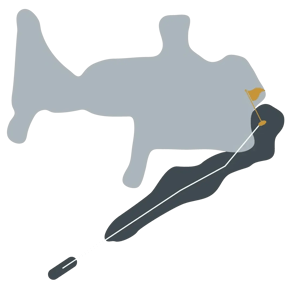
Hole 9 returns you to the clubhouse, but first, you have to play it. From the tee, the hole looks deceivingly easy because you can't see the water protecting the green. A generous driving area straight away sets you up for a challenging second shot. Do you go for the green over the water, or do you play right and hope for a great big shot and a one-putt for par? Either way, the excitement doesn't end once you're on the green and beware of going long because shots from back bunkers are intimidating. As if the water isn't enough of a challenge, the dramatic two-tiered green provides the biggest challenge on this straightaway par 4.
## Hole 10
---
| Par | Yards |
| --- | --- |
| 4 | 407 |
| 4 | 386 |
| 4 | 362 |
| 4 | 305 |
| 4 | 299 |
| 4 | 299 |
---
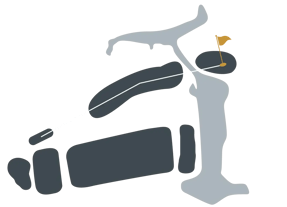
Joe Lee starts the backside with a wide-open driving area, but from the teeing areas hides the challenge that lies ahead for your second shot. 100 yards out from the green, water bisects the fairway. Short hitters usually elect to lay up and then hit a 110 yard shot to the green, while longer hitters can go for the green with a 150 to 200 yard shot. While Hole 10 has a large green, the slope from front to back protects it well. An added issue facing golfers is the prevailing winter breezes that blow directly at the golfer.
## Hole 11

---
| Par | Yards |
| --- | --- |
| 4 | 414 |
| 4 | 390 |
| 4 | 382 |
| 4 | 365 |
| 4 | 357 |
| 4 | 317 |
---
As you depart the tenth green, you climb up to the elevated double teeing area used by both the 11th and 14th holes at the highest point in Indian River County. The elevated tee shot provides most of the drama on number 11. The lake which guards the left side of the fairway forces play to the right and that makes the hole longer. To the right of the fairway are obstacles of trees, sand, and more water. The elevated green is protected by a bunker which forces shorter hitters to lay up and long hitters to hit a long high shot. While the green is large, the saddle shape causes players to aim either to the right or left depending on where the pin is or they’ll face a long difficult putt. With the wind, number 11 is reachable in two, but against the wind, it is a different story.
## Hole 12

---
| Par | Yards |
| --- | --- |
| 4 | 410 |
| 4 | 394 |
| 4 | 375 |
| 4 | 317 |
| 4 | 311 |
| 4 | 311 |
---
You turn back inward on number 12. More water to the left awaits hooked tee shots. At the corner of this dogleg right is a stand of palm trees and oaks. A tee shot over the trees ensures the shortest shot to the green. Less ambitious players who hit a solid shot down the middle will have a 150 yard shot into the green. While the apron to the green is generous in size, bunkers left and right will capture any wayward second shots. Number 12 is the largest green on the course and to the left or right sides offers some of the most difficult pin positions. Number 12 is a real risk/reward hole that serves up a birdie or par as easily as a bogey or double bogey.
## Hole 13

---
| Par | Yards |
| --- | --- |
| 4 | 172 |
| 4 | 138 |
| 4 | 125 |
| 4 | 125 |
| 4 | 118 |
| 4 | 118 |
---
Hole 13 is the highest handicap hole, but this short par 3 is not necessarily a breather hole. Trees along the left side hide the wind direction and speed from players on the tee. Look to the flag on twelve and even on 10 before you fire your tee shot. Three bunkers guard the center and right areas in front of the green, which leaves going left as the only bailout area. Beware of the pin position on the front left as the slope here is the steepest on the green. You’ll breath a sigh of relief walking away with a par from this, the easiest hole on the course.
## Hole 14

---
| Par | Yards |
| --- | --- |
| 5 | 493 |
| 5 | 470 |
| 5 | 454 |
| 5 | 434 |
| 5 | 429 |
| 5 | 384 |
---
Now you climb back up to the tee for the 14th hole. The spectacular elevated tee shot makes this par 5 a joy to play. Of course Joe Lee doesn’t make it easy. Too much draw or a hook and you’ll find water that hugs the left side of the fairway. That’s not the only water. Short hitters choose to lay up with their second shot to avoid water that cuts across the fairway. Longer golfers have a choice: The longest hitters may want to take a crack at this hole on their 2nd shot. Otherwise you are faced with a choice: Play right of the stand of palm trees and have a 110-130 yard shot across the hole’s third water hazard. Or hit a long second shot to go left past the stand of palm trees and have a third shot that opens up to the green and takes the water out of play. The green features several sloping areas that make approach shots critical to scoring well. The 14th is the club’s signature hole and offers enjoyment for all levels of play.
## Hole 15
---
| Par | Yards |
| --- | --- |
| 4 | 319 |
| 4 | 305 |
| 4 | 290 |
| 4 | 290 |
| 4 | 285 |
| 4 | 260 |
---
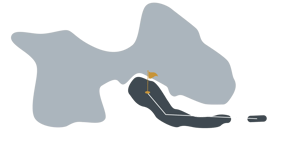
It’s time to take a breather as you approach the easiest handicap par 4 on the course. The hole features a dogleg to the right with a bunker left of the fairway that will capture errant tee shots. The 15 acre lake not only enhances the beauty of the hole, it protects against sliced tee shot. Most golfers will play straight avoiding the trees at the dogleg and having a reasonable second shot to the green. Long drivers can carry the trees and some bombers can even drive the green. Bunkers right left and behind the green will catch errant shots. Hole15 offers both challenges and beauty on this classic risk/reward par 4.
## Hole 16
---
| Par | Yards |
| --- | --- |
| 3 | 192 |
| 3 | 167 |
| 3 | 156 |
| 3 | 135 |
| 3 | 129 |
| 3 | 129 |
---
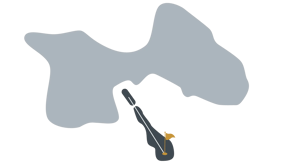
Number 16 is the last of the par 3’s at Bent Pine. Like the other par 3s, bunkers on the front left and to the right of the green guard this back to front sloping green. If you can’t carry the green, it’s best to bail out short right and have a chip shot onto the green. The chip shot is easier if the pin is to left side of the green. If the pin is right, the slope can make an up & down more difficult. Putting is the key to a good score on hole 16.
## Hole 17
---
| Par | Yards |
| --- | --- |
| 4 | 420 |
| 4 | 405 |
| 4 | 365 |
| 4 | 365 |
| 4 | 324 |
| 4 | 324 |
---
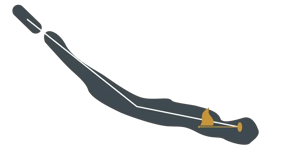
The unique Carolina look you see on many holes is evident again on this long par 4, the hardest hole on the backside. Pine trees shape this dogleg left hole. The driving area is deceptively narrow. Fairway bunkers protect the left side the fairway while large mounds face the golfer on the right at the dogleg. Long hitters can hit over the left-side bunkers, but can find trouble if they end up behind the two fairway palm trees. Protected front left and to the right by bunkers, the undulating green is on the small side for a hole of its length Green size and course length make this hole the most difficult par 4 on the back nine.
## Hole 18
---
| Par | Yards |
| --- | --- |
| 5 | 563 |
| 5 | 534 |
| 5 | 515 |
| 5 | 465 |
| 5 | 406 |
| 5 | 406 |
---
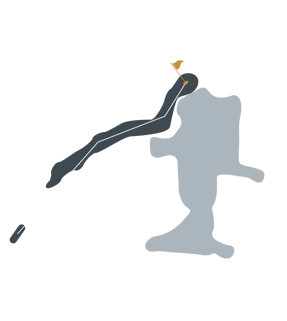
The 18th is a masterpiece of a par five for a finishing hole. Joe Lee started with a par 5 and fittingly finishes with one. When the match is on the line this rare double dogleg adds to the challenge and enjoyment for all golfers. From the Kenny Perry, blue, and white tees golfers face a hole that has strategically placed bunkers, water protecting the right side of the green, and a sloping green that demands staying below the hole. The tee positions for the gold red, and silver players still leave all the excitement but remove the first dogleg. The famous signature Bent Pine tree finds many tee shots that wander left. Golfers of all abilities will have to avoid the bunkers just beyond the tree on their drive. Joe Lee gives golfers a bailout area on their second shot so they can avoid the fairway bunkers and pine tree 150 yards out from the green. If long hitters can avoid the lone towering pine and the bunkers beyond it, they can reach the green in two. Of course Joe Lee doesn’t let up when you get to the green. Bunkers left, right, and behind the green protect this back to front sloping green that tests the putting skill of all golfers one last time. Hole 18 is beautiful and tranquil with views across the lake to Hole 9 and the clubhouse overlooking the green. This gem provides the perfect ending to your round.
## Gear Up Before Your Round
The Bent Pine Golf Shop carries men's and women's apparel, footwear, and equipment from brands like Peter Millar and Johnnie-O. Staff can help with club fitting, special orders, and anything you need before or after a round. If it's not on the shelf, they'll get it. Jason Berchtold runs the shop and has been here since 2002.
## See Yourself Playing Here
Our Membership Guide covers the course, programming specifics for both men's and women's golf, membership options, and pricing.
[Discover Life at Bent Pine →](https://cta-service-cms2.hubspot.com/web-interactives/public/v1/track/click?encryptedPayload=AVxigLIhpetvzMSWTvLO9xT9Es1WQeFGUdbynspEvMy1S3QHW00nhqf%2F6x5AxBKPZ4nEUJT5sjxLQgilt4std8W47PX0fXaW92o6FUiwLVLRT4v79grYw6wj4lksNDjs6mthMsLtF%2FbL6SRn3w%2FexFgW5GDWhTR127gMU2TO72jrCsOMNSuKlsegd8u7ImFN%2Fuw5%2F9s%3D&portalId=50525353)
[772-567-6838](tel:7725676838)
[6001 Clubhouse Dr. Vero Beach, FL 32967](https://www.google.com/maps/place/6001+Clubhouse+Dr,+Vero+Beach,+FL+32967,+USA/@27.7012937,-80.435424,17z/data=!3m1!4b1!4m6!3m5!1s0x88de5dc28035962f:0xfb91c91dbb3a7308!8m2!3d27.7012937!4d-80.4328491!16s%2Fg%2F11h05j7vsz?entry=ttu&g_ep=EgoyMDI1MTEyMy4xIKXMDSoASAFQAw%3D%3D)
- [Golf](https://bentpinegolf.com/golf-archive)
- [Social](https://bentpinegolf.com/social-archive)
- [Our Story](https://bentpinegolf.com/our-story-old-archive)
- [Join](https://bentpinegolf.com/join-archive)
- [Employment](https://bentpinegolf.com/employment)
- [Member Login](https://bentpine.clubhouseonline-e3.com/login.aspx)
[](https://bentpinegolf.com?hsLang=en)
© 2026 All content Bent Pine Golf Club. All rights reserved.
[Facebook](https://www.facebook.com/bentpinegc/)[Instagram](https://www.instagram.com/bentpinegolfclubvb/)
No mobile information will be shared with third parties/affiliates for marketing or promotional purposes. All other categories exclude text messaging originator opt-in data and consent; this information will not be shared with any third parties.